
Understanding the Differences in Design, Support, and Daily Use
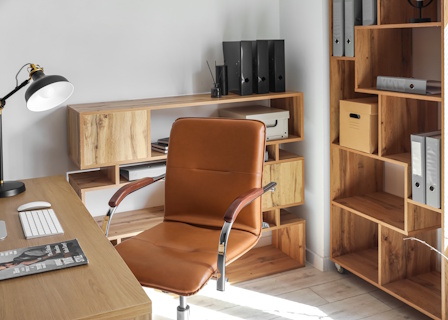
The terms “task chair” and office chair are often used interchangeably. Walk into a furniture showroom or scroll through product listings, and you’ll see both labels applied to seating that looks almost identical at first glance. But while the categories overlap, they are not exactly the same.
Understanding the difference matters more than most people realize. The chair you choose directly affects posture, focus, and how your body feels at the end of the day. Whether you’re furnishing a corporate workspace or selecting a home office chair, knowing how these two types of seating differ can help you make a more informed decision.
What Is a Task Chair?
A task chair is typically designed for short-term, active use. The word “task” refers to focused activities such as typing, writing, attending brief meetings, or completing quick projects. These chairs are often lightweight, compact, and highly adjustable.
Common characteristics of task chairs include:
- A smaller profile.
- Basic lumbar support.
- Swivel functionality.
- Adjustable seat height.
- Minimal padding.
Task chairs are commonly used in collaborative spaces, shared workstations, reception areas, or environments where people move frequently between tasks. Because they are designed for flexibility and mobility, they often have a simpler structure compared to a full-sized office desk chair.
For individuals who spend only part of their day seated, a task chair can provide adequate support without taking up too much space.
What Is an Office Chair?
An office chair typically refers to seating designed for longer periods of use. While task chairs are often considered a subset of office seating, the broader category of office chairs includes models intended for extended sitting, deeper focus, and daily professional use.
An office chair designed for long-term work often features:
- Enhanced lumbar support.
- Thicker seat cushioning.
- Adjustable armrests.
- Tilt and recline mechanisms.
- Greater seat depth and back height.
These chairs are built to support posture and reduce fatigue during prolonged sessions at a desk. Someone working eight hours a day at a computer will likely need a more supportive office chair than someone who only sits intermittently.
The Key Differences Come Down to Duration and Support
The biggest distinction between a task chair and a traditional office chair is how long you’re expected to sit in it.
Short-Term vs. Long-Term Sitting
Task chairs are suitable for short bursts of work. They prioritize mobility and convenience. An office chair designed for extended use focuses more on sustained comfort and posture alignment.
If you regularly work for several hours without standing, a more supportive design is essential.
Structure and Build
Task chairs are often lighter and more compact. They may lack features such as adjustable lumbar depth, headrests, or multi-position tilt controls. In contrast, an office desk chair intended for longer sessions usually includes more substantial cushioning and ergonomic refinements.
Ergonomic Adjustability
While many task chairs include height adjustment and swivel functions, a long-use office chair often offers more customization. This may include adjustable armrests, lumbar positioning, seat depth control, and synchronized tilt mechanisms.
The more time you spend seated, the more these adjustments matter.
Choosing the Most Comfortable Office Chair for Your Needs
When people search for the most comfortable office chair, they’re often thinking about long workdays rather than quick tasks. Comfort over time requires more than a soft cushion. It depends on how well the chair supports natural posture and allows subtle movement throughout the day.
For extended sitting, look for:
- Support for the natural curve of the lower back.
- Seat cushioning that maintains shape.
- Adjustable height that keeps feet flat on the floor.
- Armrests that allow shoulders to relax.
- A backrest that supports upright posture without forcing rigidity.
A chair that feels comfortable in the first five minutes may not remain supportive after several hours. Testing posture and alignment is more important than initial softness.
Where Home Office Setups Fit In
In a home workspace, the line between task chair and home office chair can blur. Many people initially choose smaller, lightweight seating because it fits the room’s aesthetic or size. However, if remote work becomes full-time or long-term, the need for stronger support becomes more apparent.
A compact chair may work in a multi-use room where desk time is limited. But if your home setup mirrors a traditional office schedule, selecting a supportive office chair designed for extended use can help prevent discomfort and fatigue.
Home offices often require a balance between space efficiency and ergonomic performance. That balance becomes easier to strike when you understand the difference between quick-task seating and long-duration office seating.
When a Task Chair Is the Right Choice
Despite the emphasis on long-term support, task chairs still serve an important role. They can be ideal when:
- You frequently move between workstations.
- The chair is used in a shared space.
- You need something lightweight and flexible.
- Sitting sessions are brief.
In environments like conference rooms, collaborative areas, or reception desks, a task chair may be entirely appropriate.
When an Office Chair Is the Better Fit
If your workday includes extended periods of focused sitting, a traditional office desk chair designed for durability and ergonomic support is often the better investment.
Long-term seating demands:
- Stronger lumbar support.
- More durable cushioning.
- Stable construction.
- Multiple adjustment points.
These features help reduce strain and maintain comfort across full workdays.
So, Are Task Chairs and Office Chairs the Same Thing?
In short, no — but they are related.
A task chair is a type of office seating intended for shorter, more active sessions. An office chair, particularly one designed for extended use, focuses more on posture support, durability, and long-term comfort.
Choosing between the two depends on how you work, how long you sit, and what your body needs throughout the day. Understanding these distinctions helps ensure you select seating that supports both productivity and well-being — whether that’s a compact task chair or the most comfortable office chair built for hours of focused work.