
Understanding Lifespan, Wear, and When It’s Time for a Replacement
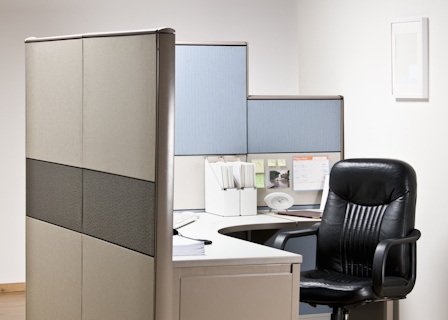
An office chair is one of the most frequently used pieces of furniture in any workspace, yet its lifespan is something people rarely think about until discomfort starts creeping in. Whether you rely on a task chair for long days at your desk or rotate between seated and active work, understanding how long a chair should reasonably last can help you make smarter decisions when buying, maintaining, or replacing it.
Most well-constructed chairs have an expected life of five to ten years, but that range can shift based on build quality, frequency of use, materials, and even the user’s posture. If you’ve ever wondered whether your chair is nearing retirement or whether a used model can hold up over time, this guide breaks down everything you need to know.
What Determines the Lifespan of an Office Chair?
Not all chairs age at the same rate. Several factors influence how long your chair will stay supportive and structurally sound.
Materials and Construction
A chair built with strong internal components naturally lasts longer. Look for steel frames, reinforced bases, and high-density foam. Mesh backed by a sturdy frame tends to maintain tension well, especially in an ergonomic office chair designed for long-term daily use.
Fabric quality also plays a role. Commercial-grade textiles resist wear and fading better than residential fabrics. Leather needs conditioning to prevent cracking, while low-cost synthetics may stretch or pill more quickly.
Usage Patterns
How often you sit in your chair — and how long you remain seated — affects longevity. A chair used eight hours a day, five days a week, will wear faster than one used occasionally. Chairs in shared offices or open workspaces typically experience heavier use, which can accelerate wear on seat padding and moving parts.
Weight Capacity
A chair rated for a higher weight capacity usually features stronger mechanical components, including a reinforced base and heavy-duty casters. This influences long-term performance, especially in designs that offer full recline, tilt control, or multiple adjustment mechanisms.
Manufacturer Quality
Well-known brands that produce commercial-grade seating often engineer their chairs to withstand years of sustained use. A good office chair from a reputable manufacturer typically retains support longer and maintains its adjustability features more reliably than lower-end models.
Typical Lifespan Expectations by Chair Type
Different categories of office seating wear at different rates. Here’s a general overview of what you can expect.
Task and Ergonomic Chairs
High-quality task seating or an ergonomic office chair often lasts anywhere from seven to ten years, provided it’s used and maintained properly. These chairs are designed for long workdays and include mechanisms carefully tested for durability.
Executive Chairs
An executive office chair made with solid construction and quality materials can also fall within the five- to ten-year range. Leather models tend to look better longer when properly conditioned, while foam under the cushioning may slowly lose structure depending on density.
Budget Seating
Lower-priced chairs, especially fast-furniture options, may only hold up for two to five years. They may look fine initially, but weaker mechanisms, thinner padding, and lower-quality fabric shorten their lifespan significantly.
Signs Your Chair Is Reaching the End of Its Life
Even if your chair hasn’t technically “expired,” certain signs suggest it’s no longer providing the support your body needs during the workday.
Loss of Support
If the seat cushion feels thin or you can feel the base underneath, the foam has likely compressed beyond recovery. A seat that sags or slopes inward can ultimately affect your posture and create discomfort.
Persistent Creaking or Unstable Movement
Noises can signal worn mechanisms or loose internal components. An unstable base or a tilt function that feels unpredictable may also indicate critical wear.
Limited Adjustability
If your height, tilt, or armrest adjustments no longer move smoothly — or have stopped working altogether — the internal mechanisms may be nearing the end of their functional life.
Fabric or Mesh Damage
Mesh that has lost tension or fabric that is tearing, fraying, or permanently stained can reduce comfort and professional appearance. These issues don’t necessarily impact structure, but they do affect usability.
Pain or Discomfort
Perhaps the most important sign is how your body feels. If you’re experiencing new discomfort in your back, hips, neck, or shoulders, your chair may no longer be supporting neutral posture the way it once did.
What “Wear” Really Means for Your Workday
Wear isn’t just cosmetic. As an office chair ages, small changes in support and stability can have a noticeable effect on productivity and comfort. When the seat cushion compresses, your hips may rotate differently, shifting pressure to your lower spine. If armrests lose padding or become wobbly, your shoulders may engage more than necessary.
Over time, these subtle ergonomic issues can contribute to fatigue, stiffness, and reduced focus. That’s why understanding when to replace your chair is part of maintaining both comfort and long-term health.
Is Buying Used a Good Option?
Buying a pre-owned chair can still offer excellent longevity if you choose well-made brands and inspect key areas before purchasing. Commercial-grade seating from reputable manufacturers is designed to withstand many years of use, often far beyond inexpensive alternatives.
High-quality models typically retain their essential ergonomic adjustments and frame strength even after several years of service. The padding may experience some softening, but structural integrity usually remains intact. When exploring used options, check for smooth movement in the height and tilt mechanisms, stable casters, and consistent lumbar support.
A well-maintained ergonomic office chair or executive model can perform reliably for many more years, making pre-owned options a practical and cost-effective choice.
How To Extend the Life of Your Office Chair
Simple maintenance steps can help you maximize your chair’s lifespan.
- Tighten screws and bolts periodically to maintain stability.
- Clean fabric or mesh with gentle, manufacturer-approved products.
- Condition leather upholstery to prevent drying and cracking.
- Check casters regularly and remove debris that can affect rolling.
- Avoid leaning heavily on armrests when standing, as this strains the internal frame.
These habits support long-term performance and help ensure your chair provides consistent comfort throughout its lifespan.
Make Informed Decisions About Your Seating
Knowing how long an office chair should last can help you evaluate when it’s time to invest in a replacement — and whether a used model can still offer years of dependable performance. By paying attention to construction, materials, and signs of wear, you can choose seating that supports your comfort, productivity, and overall well-being.
Whether you’re selecting a new ergonomic design or considering a high-quality pre-owned option, understanding lifespan can make your decision clearer and more confident.